Drina Valley Agriculture Cooperative
A cooperative agriculture model designed to scale what already exists across the Drina Valley: generational, organic food production.
Organize, aggregate, and professionalize small household gardens into coordinated cooperatives that can
reliably supply local markets, tourism, and export demand.
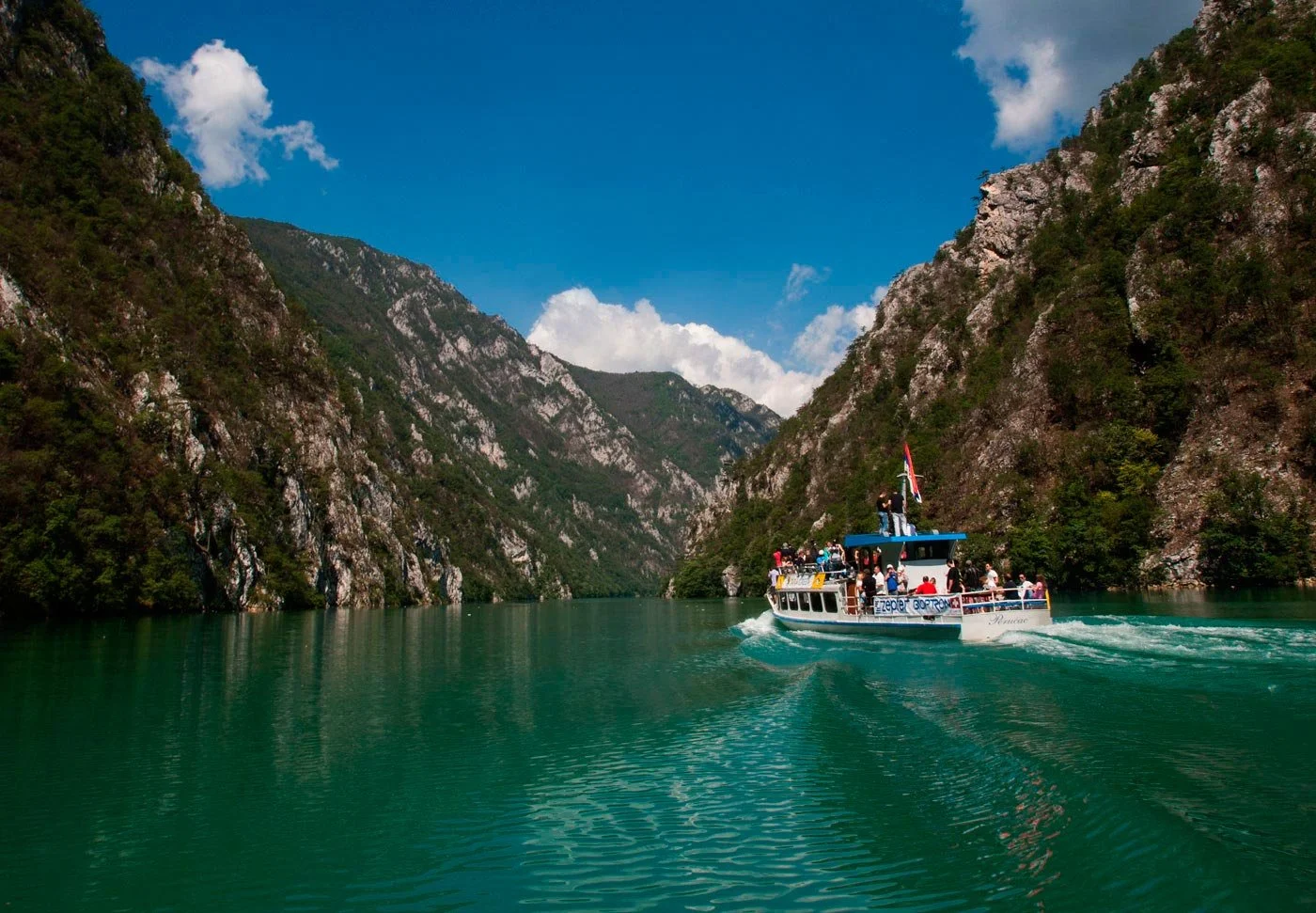
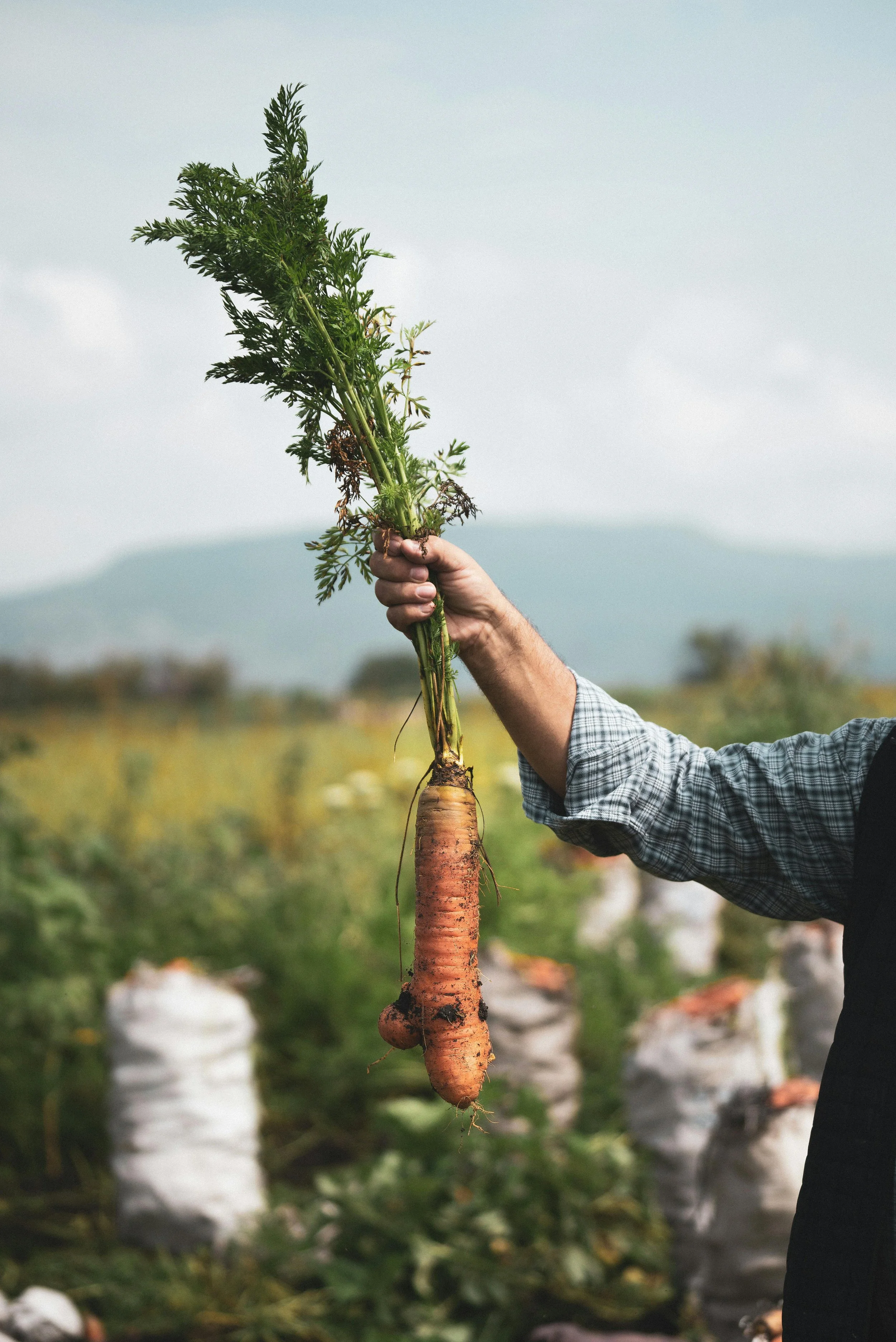
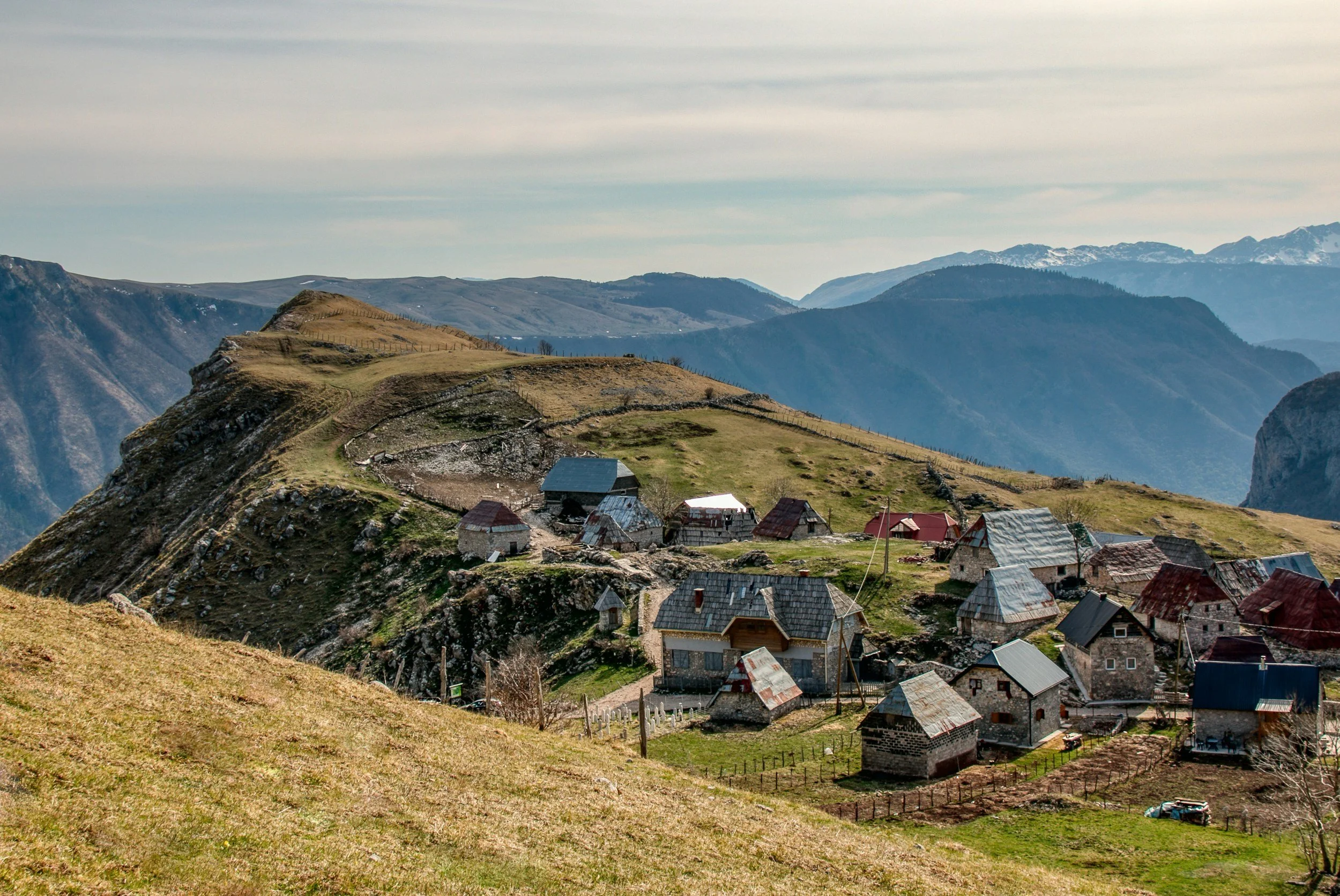
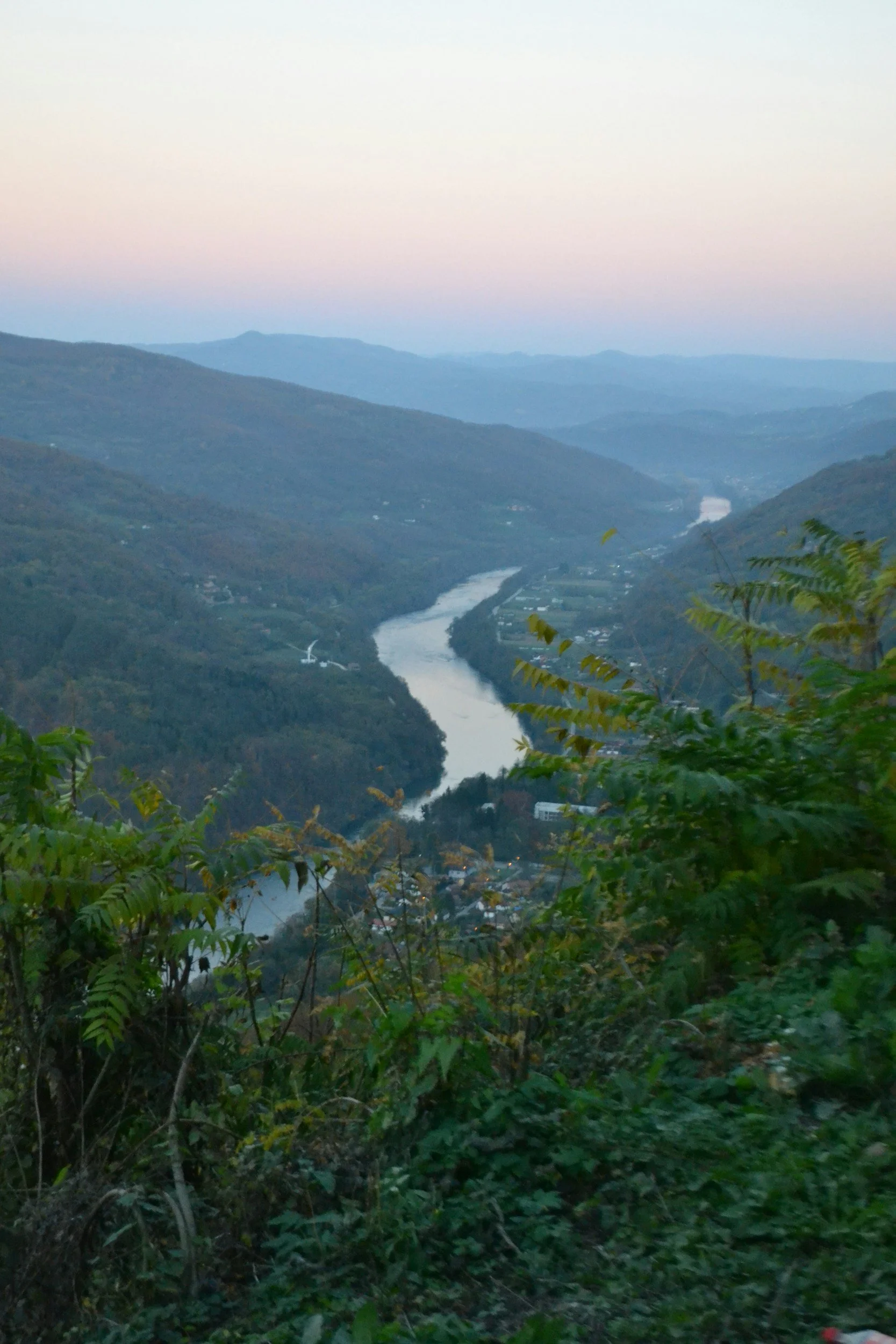
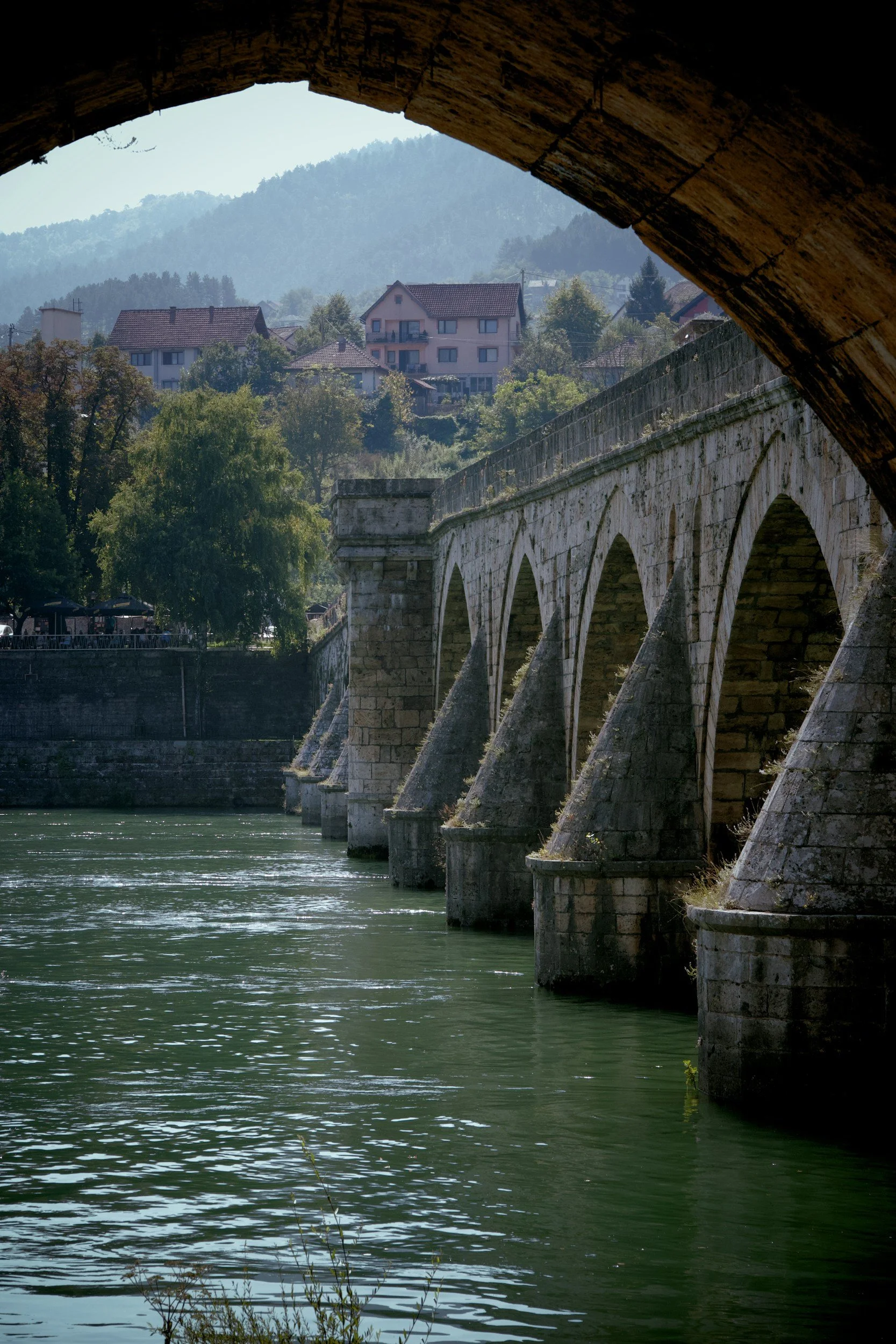
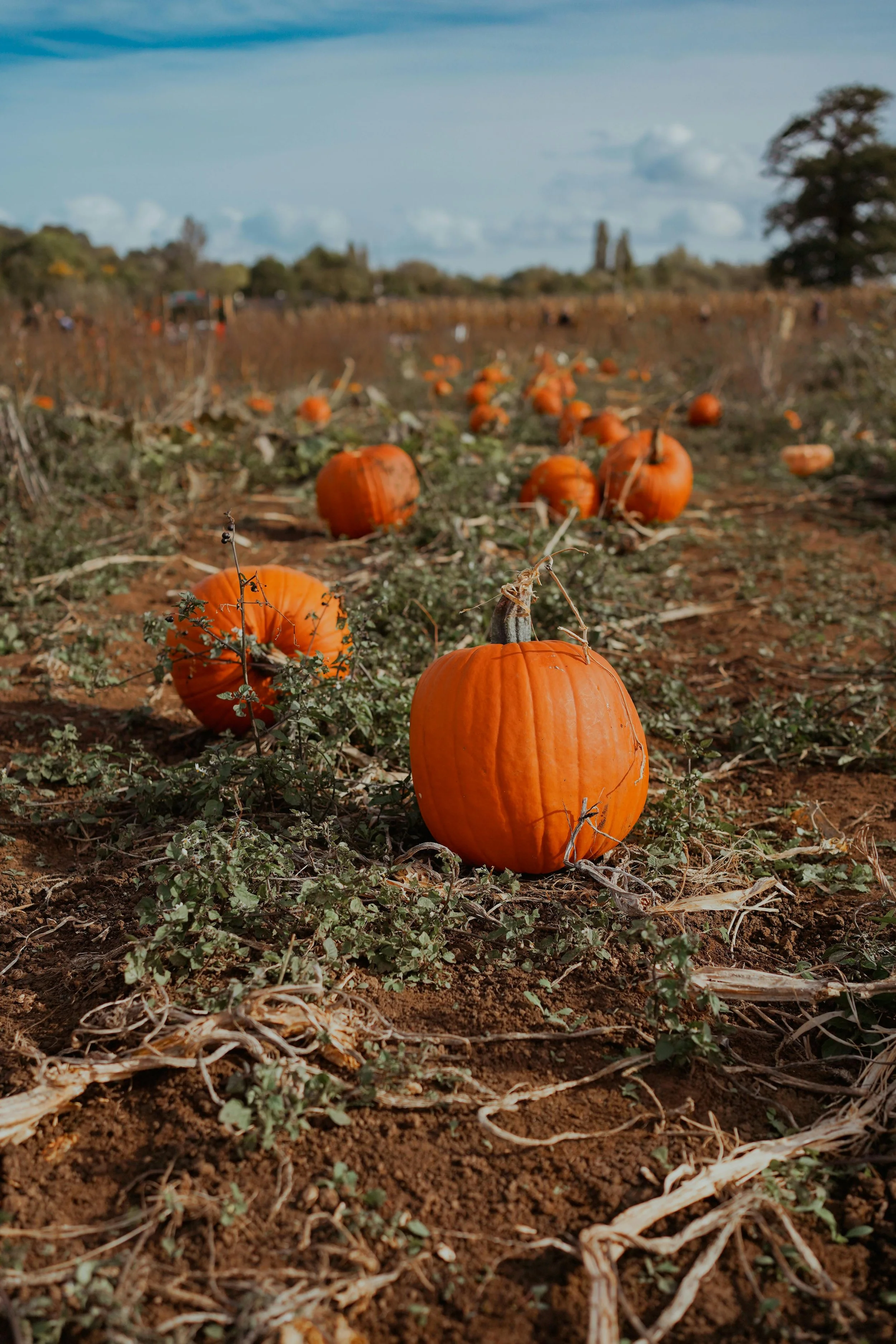
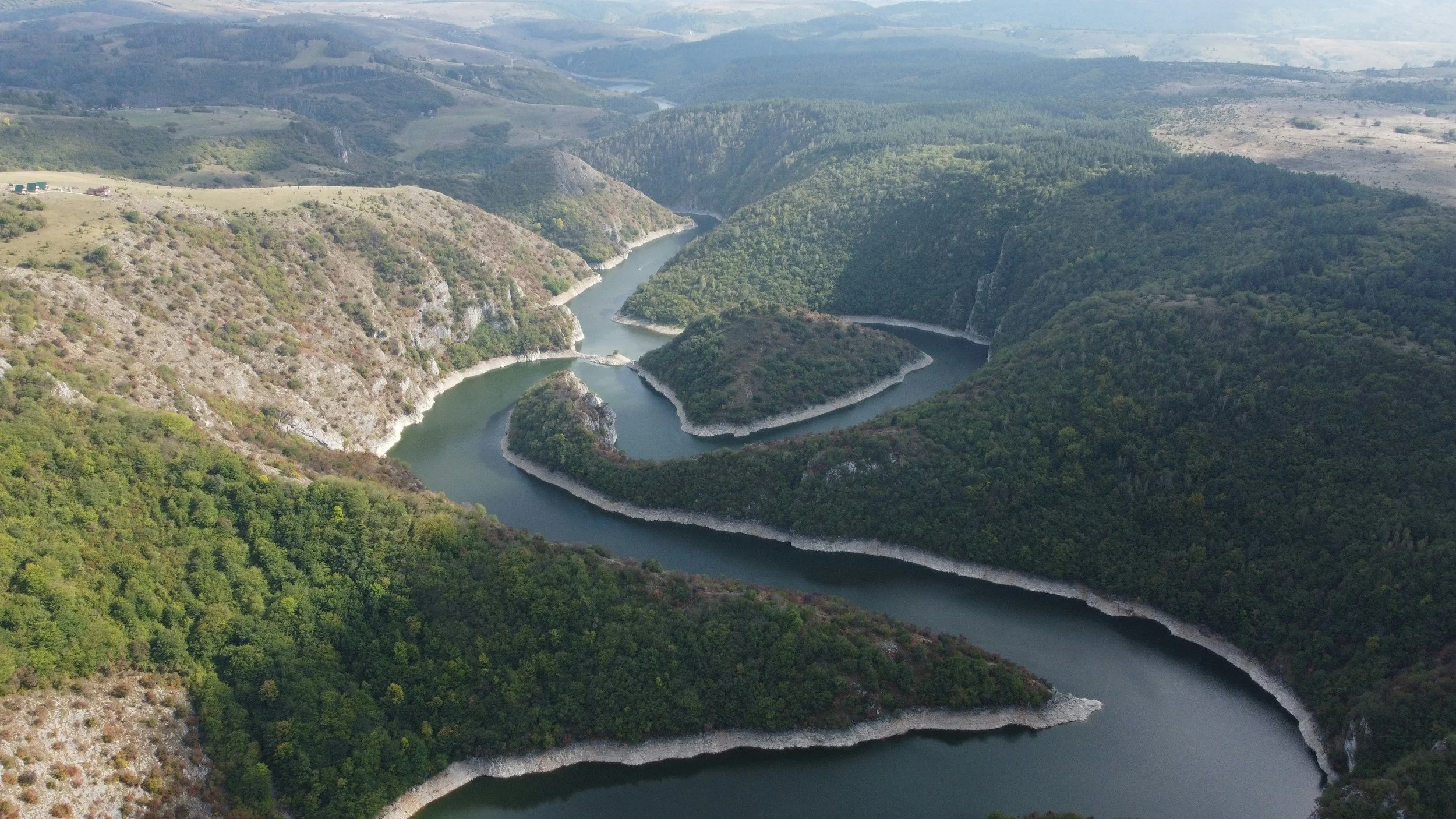
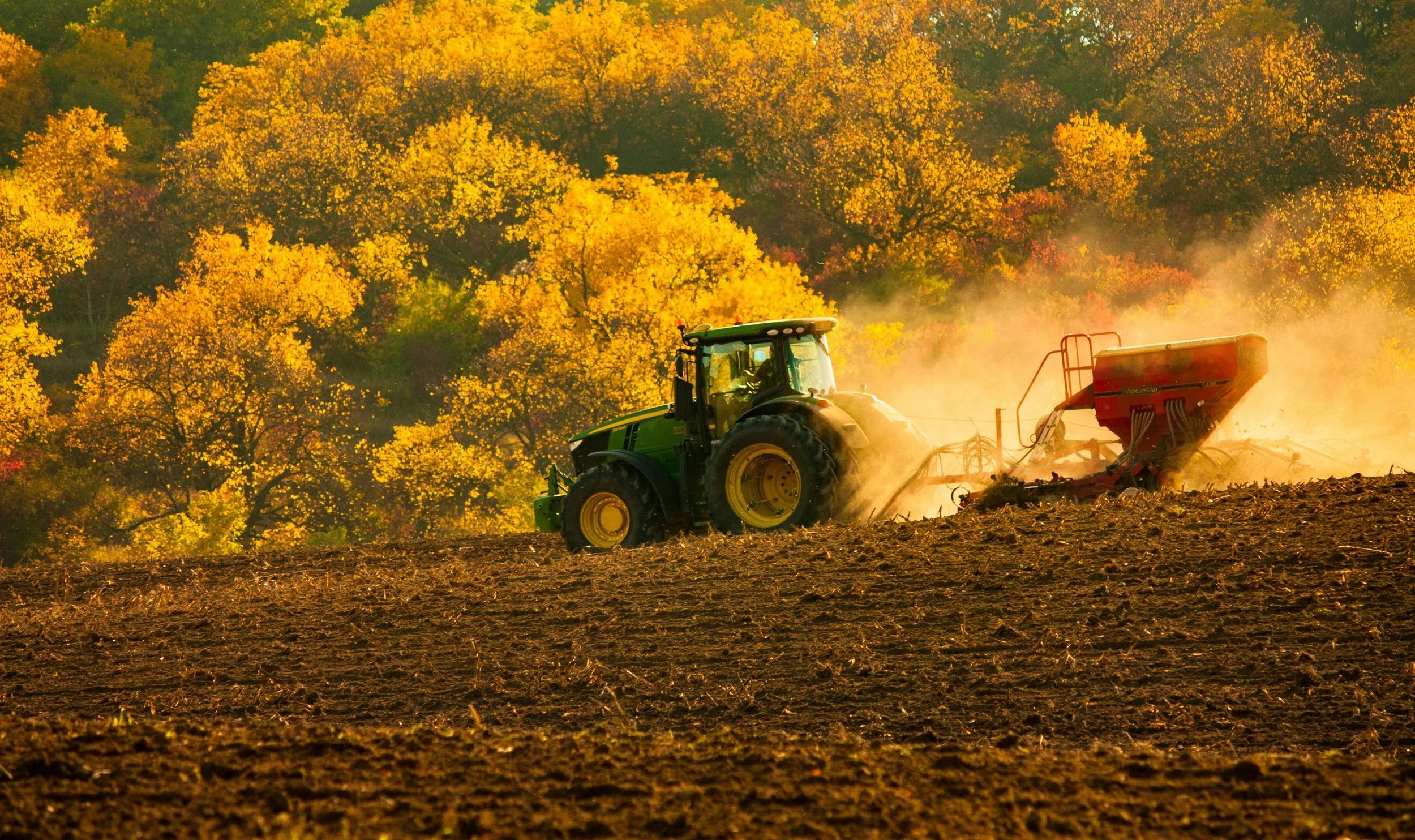
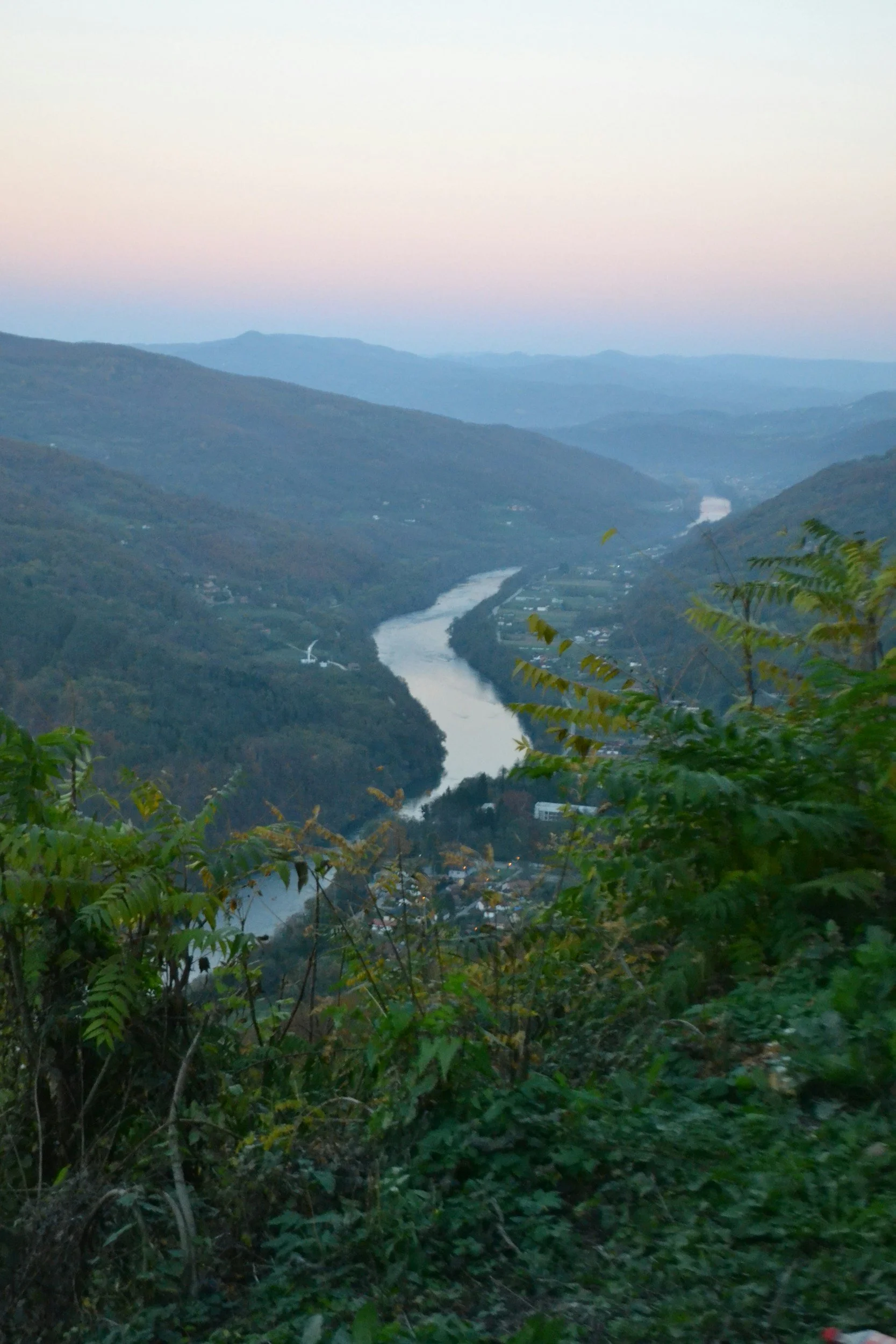
The Drina River basin spans nearly 20,000 km²
This water rich region naturally regenerates fertile soil, supporting consistent agricultural output with minimal irrigation and little reliance on chemical inputs.
As a result, organic growing practices are already the norm across much of the Drina Valley, not as a premium label, but as a practical, everyday reality.
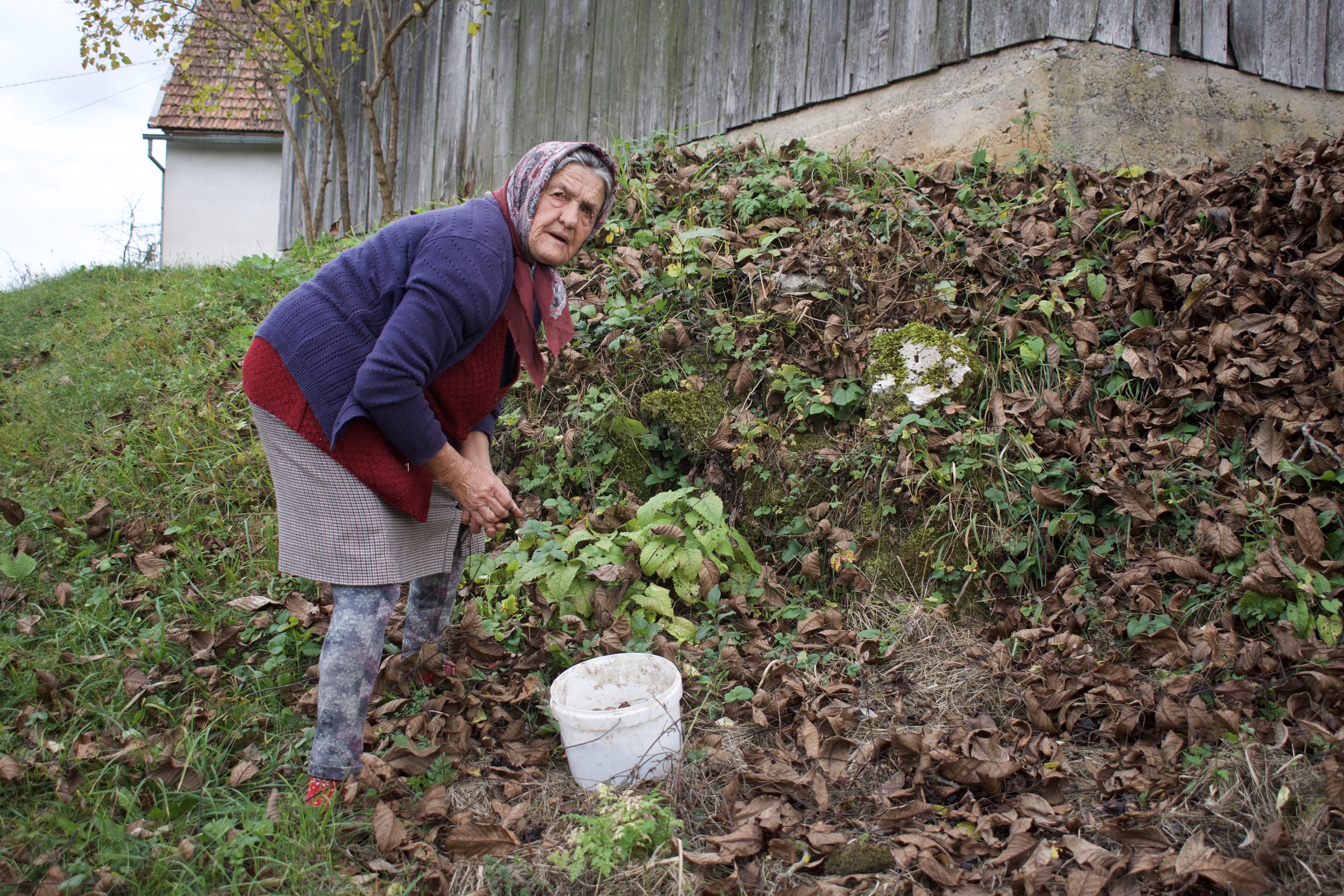
The land already works. The system doesn’t.
Agriculture in the Drina Valley is not a future opportunity
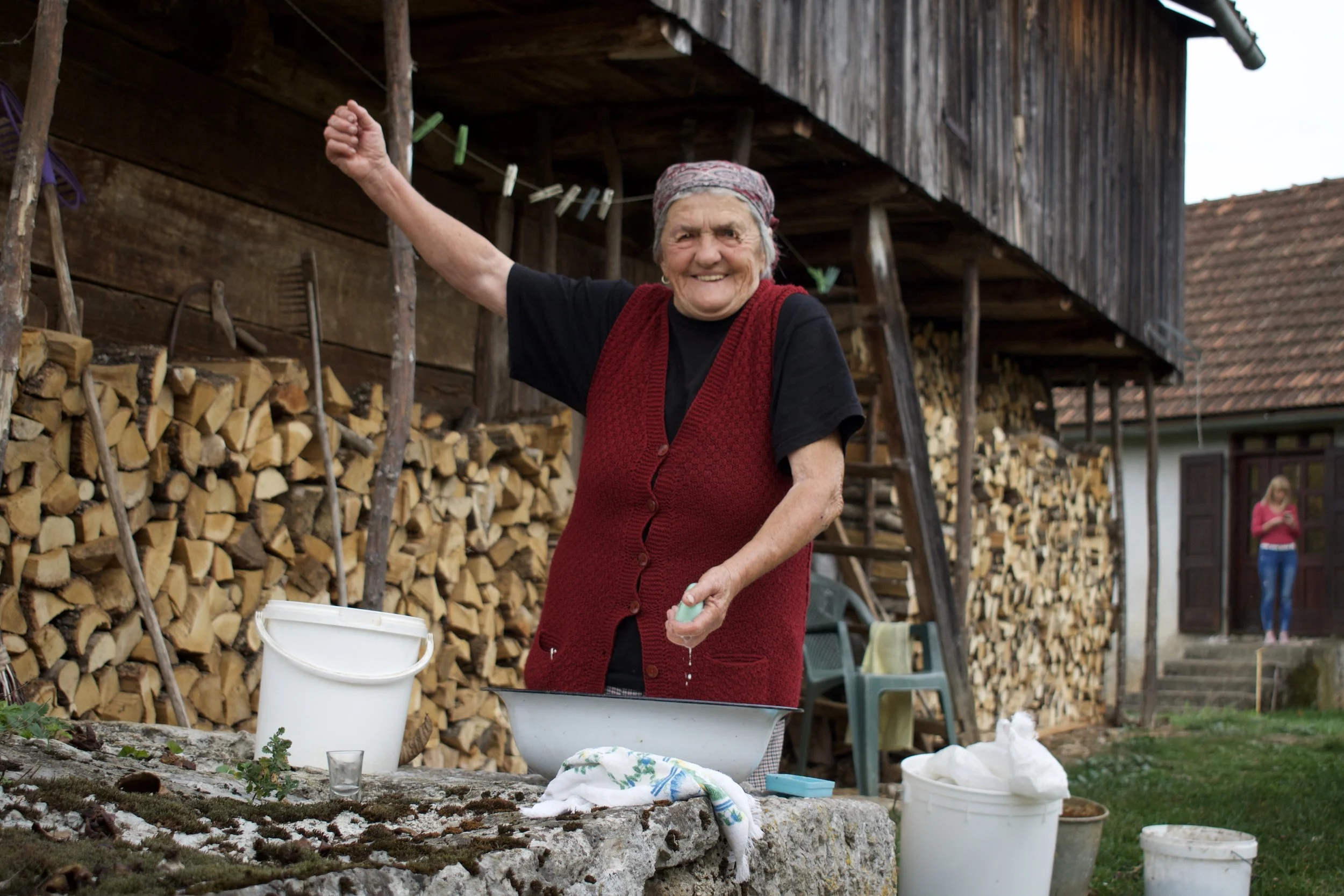
It is already happening. Families grow food on fertile, river-regenerated soil using low input, largely organic practices passed down through generations.
What’s missing is not production, but coordination
The structure needed to aggregate surplus, reach markets, and turn everyday growing into stable, scalable income.
The Mogućnost Solution
The Tourism Center operates as both a visitor coordination hub and a revenue generating travel agency, built to work alongside the people who already live and operate here.
By organizing services that are currently fragmented or informal, it makes travel easier for visitors while helping local families, guides, hosts, and small businesses capture more value from the work they are already doing.
The impact is practical and shared: longer stays, higher daily spend, and a greater portion of tourism revenue staying in the region.
Even a single additional night per visitor can materially increase income for lodging, food providers, guides, and transport, strengthening the local economy without changing what makes this place home.
Why This Works
This model builds on existing foundations rather than importing outside operators or replacing local businesses.
The people, places, and skills are already here.
The visitors are already interested.
What’s been missing is coordination.
Because the fundamentals already exist, startup costs remain low, adoption is natural, and growth happens through participation rather than displacement.
This is a low-risk way to increase income locally while preserving independence and character.
Who This Is For
This project is designed first for the people of the Drina region, to support livelihoods, strengthen small businesses, and keep value circulating locally.
For investors, it offers a clear, measurable opportunity to back real economic activity built on demand that already exists, with returns driven by coordination rather than volume.
Everyone involved benefits from the same outcome: more value created, and more of it staying where it belongs.
We accept monetary donations, volunteer time, materials, skills, and energy, because possibility is built through all forms of contribution, not just financial capital.
And once anyone gives anything, they become part of our inner circle:
a private community where every step, purchase, decision, and milestone is documented and shared in real time.
This is full transparency.
Every donor sees exactly how their contribution turns into impact, from the clinics we build to the animals we treat to the villages we reach.
How Can You Support this Mission?
Alongside the people, not over them
Bosnia does not lack visitors.
Eastern Bosnia does not lack beauty, culture, or capability.
What’s been missing is a simple layer of infrastructure that connects people to opportunity.
This project builds that layer, carefully, collaboratively, and with long term value in mind.
Adam and his family own a home on the Drina and spend extended time there throughout the year. Through that presence, they’ve experienced the rhythms of life along the river, food grown from the land, fishing the Drina, and the everyday hospitality that defines the region. This work grows from direct, on-the-ground experience, not distant observation.
“My first real connection here was with a farmer. Through that friendship, I saw how deeply people here are tied to their land and their work. It made it clear that any lasting progress has to start by respecting what already exists, not replacing it.”